Table of Contents
Introduction: A Turning Point in AI Cybersecurity
Artificial Intelligence has transitioned from experimental technology to mission-critical infrastructure. Businesses across healthcare, finance, e-commerce, education, and government sectors now rely heavily on ChatGPT, developed by OpenAI, for automation, content generation, analytics, and enterprise workflows.
However, rapid AI adoption has also introduced new security concerns:
- Prompt injection attacks
- Data exfiltration risks
- API abuse
- Sensitive information leakage
- Model manipulation
Recognizing these risks, OpenAI has introduced two special security modes designed to proactively protect users and enterprises from data threats.
This is not just a feature update — it is a structural upgrade in AI security architecture.
IT Services Company in Lucknow
The Growing AI Security Crisis
Why AI Systems Became Targets
AI models process large volumes of contextual information. When integrated into:
- ERP systems
- Hospital Management Systems
- E-commerce platforms
- CRM software
- Financial tools
They become high-value targets.
Unlike traditional software, AI systems respond dynamically to input. This flexibility creates vulnerabilities such as:
1. Prompt Injection Attacks
Attackers manipulate input to override system instructions.
2. Data Extraction Attempts
Malicious users try to retrieve hidden system data.
3. Model Exploitation
Attempts to trick AI into revealing confidential information.
4. Social Engineering Amplification
AI-generated phishing and impersonation risks.
These challenges forced AI providers to rethink security models.
OpenAI’s Two Special Security Modes Explained
1. Advanced Threat Detection Mode

What It Does
This mode actively monitors:
- Suspicious input patterns
- Prompt injection signatures
- Attempts to override system guardrails
- Abnormal query behaviors
If a threat is detected, ChatGPT:
- Issues a security alert
- Restricts sensitive outputs
- Blocks malicious execution patterns
- Logs unusual activity
Technical Mechanism
The system uses:
- Contextual anomaly detection
- Behavioral pattern recognition
- Reinforced instruction hierarchy
- Guardrail integrity validation
This layered approach reduces exploitation risks significantly.
2. Data Risk Awareness Mode
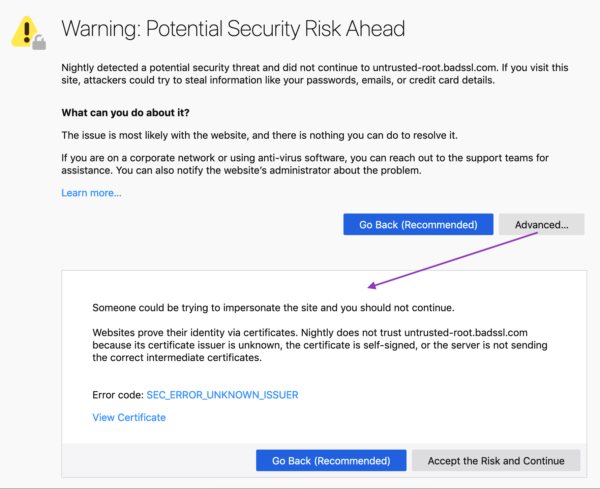
What It Does
Before processing potentially sensitive information, ChatGPT now:
- Warns users about privacy risks
- Flags confidential data entries
- Advises against sharing sensitive information
- Promotes secure AI usage
This reduces accidental data exposure — a major cause of breaches globally.
Example Scenarios
If a user attempts to enter:
- Credit card details
- Aadhaar numbers
- Medical reports
- Confidential contracts
- ERP credentials
The system may issue a cautionary alert.
Medical Radiology Printing Solutions
How These Security Modes Protect Enterprises
Enterprise AI Deployment Risks
When AI integrates with:
- Healthcare databases
- Financial systems
- Government platforms
- E-commerce backends
Security must be enterprise-grade.
For companies like Agho IT Solutions Pvt. Ltd., offering:
- Hospital IT infrastructure
- ERP Software
- Medical IT services
- Digital transformation solutions
AI security becomes directly tied to client trust.
Read : WhatsApp Will Not Work Without SIM Card From March 1
AI Security Architecture: A Technical Breakdown
Layer 1: Input Sanitization
The system validates:
- Structured inputs
- Code injections
- Malformed queries
Layer 2: Instruction Hierarchy Protection
Prevents users from:
- Overriding system prompts
- Bypassing content rules
- Extracting hidden metadata
Layer 3: Output Filtering
Blocks:
- Sensitive system information
- Confidential training data
- Restricted responses
Layer 4: Behavioral Monitoring
Analyzes:
- Query frequency
- Pattern deviation
- Suspicious repetition
AI Security & Indian Compliance Landscape
India is strengthening digital regulations under:
- Digital Personal Data Protection Act (DPDP)
- RBI cybersecurity guidelines
- CERT-In compliance mandates
Organizations using AI must ensure:
- Data minimization
- Consent-based usage
- Secure processing
- Breach prevention
These new security modes align with modern compliance standards.
MEDICAL IT PRODUCTS & HOSPITAL SOFTWARE
Why This Matters for Healthcare IT
Healthcare data is among the most sensitive information categories.
For businesses implementing:
- Hospital Management Systems
- Radiology Imaging Solutions
- Pathology Software
- Medical ERP
AI integration must ensure:
- Patient confidentiality
- Regulatory compliance
- Zero unauthorized disclosure
This is especially critical for companies like Agho IT Solutions operating in medical IT infrastructure.
AI Security & ERP Systems
Enterprise Resource Planning (ERP) systems handle:
- Payroll
- Vendor payments
- Financial records
- Inventory data
- Tax documentation
AI-powered ERP tools without robust security can expose organizations to catastrophic breaches.
The new security modes significantly reduce:
- Data scraping attempts
- Financial data leaks
- Credential exposure
Cyber Threats AI Security Modes Help Prevent
| Threat Type | Risk Level | How Security Mode Helps |
|---|---|---|
| Prompt Injection | High | Detects override attempts |
| Data Exfiltration | Critical | Restricts sensitive output |
| API Abuse | Medium | Behavioral anomaly detection |
| Social Engineering | High | Guardrail reinforcement |
| Accidental Data Leak | High | Risk awareness alerts |
Business Advantages of Secure AI
- Enhanced Client Trust :Security-first AI improves brand credibility.
- Enterprise-Grade Integration : Safer API deployment across systems.
- Regulatory Readiness : Reduces compliance risks.
- Competitive Advantage : Secure AI solutions stand out in bids and tenders.
Future of AI Governance
AI security will increasingly include:
- Real-time audit logs
- AI activity dashboards
- Risk scoring mechanisms
- User-based access control
OpenAI’s update sets a precedent for AI governance frameworks globally.
FAQ Section
Q1: What are the two new security modes in ChatGPT?
They include Advanced Threat Detection Mode and Data Risk Awareness Mode designed to prevent data misuse and prompt injection attacks.
Q2: Does ChatGPT now warn about sensitive data?
Yes, it can issue alerts when potentially confidential information is entered.
Q3: Is ChatGPT safe for enterprise use?
With enhanced security modes and proper implementation, it can be integrated securely into enterprise systems.
Q4: How do these modes help Indian businesses?
They align with India’s evolving data protection regulations and cybersecurity standards.
Final Thoughts
The launch of two special security modes by OpenAI signals a new era of AI accountability.
AI is no longer just about intelligence — it is about secure intelligence.
Businesses integrating AI must adopt:
- Governance frameworks
- Security-first architecture
- Compliance-focused deployment
- Continuous monitoring
For companies like Agho IT Solutions, this creates an opportunity to lead in secure AI-enabled digital transformation across healthcare, ERP, and enterprise ecosystems.